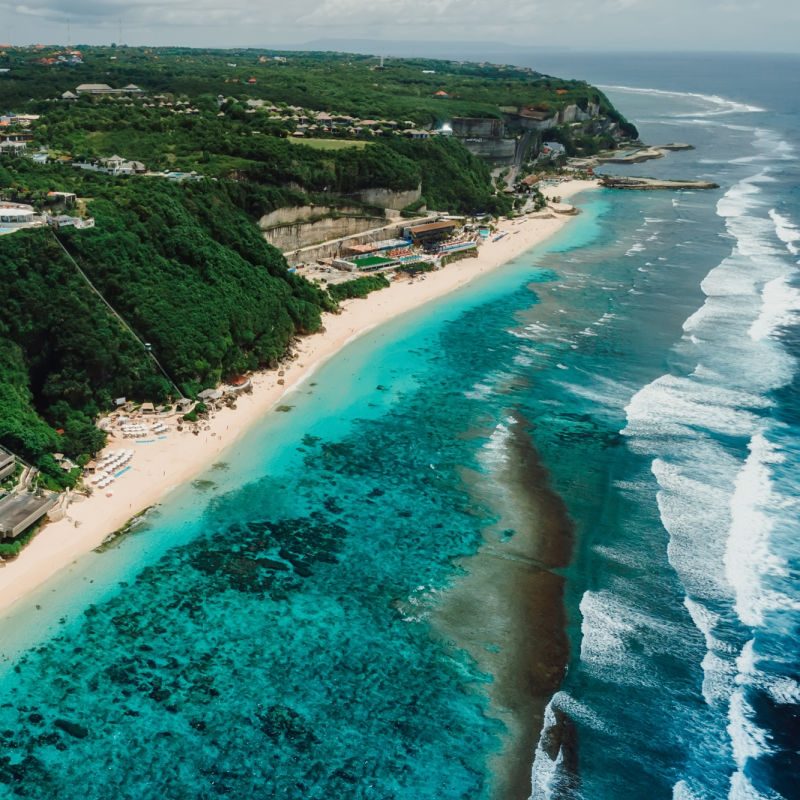
Pandawa Beach
10 min drive
This beach is located near the paragliding site and provides a calm environment to relax by the water after your flight.

Bali's southern coastline offers one of Southeast Asia's most accessible paragliding experiences, with consistent thermal lifts and Indian Ocean panoramas stretching from Uluwatu to Nusa Dua. The Timbis Flying Site in Kutuh operates daily from 10:00 to 18:00, welcoming both first-time fliers and experienced pilots. This guide walks you through what to expect, when to arrive, and how to prepare.
Quick answer
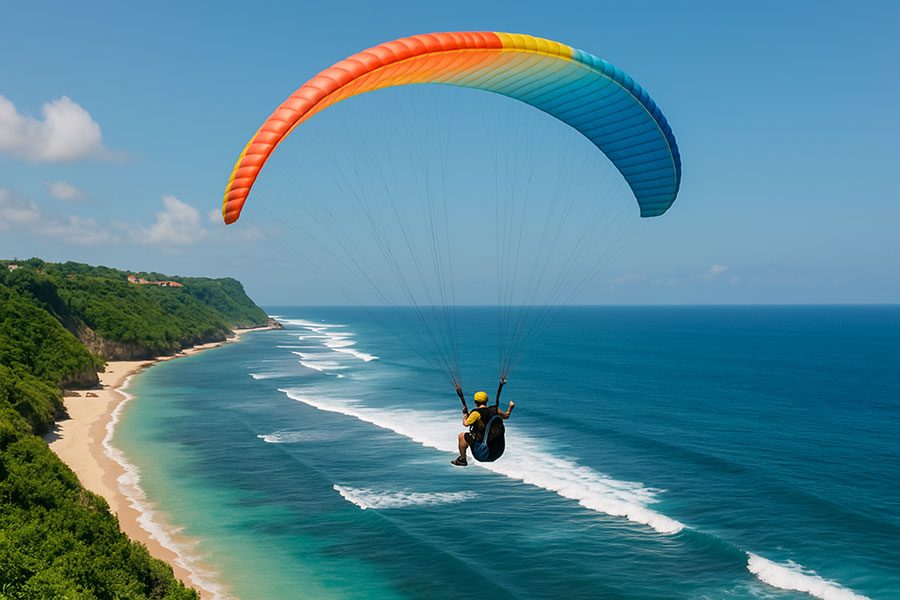
A paragliding Bali adventure typically launches from Timbis Flying Site in South Kuta, open Monday through Sunday from 10:00 to 18:00. The site charges a 20,000 IDR donation fee per person, and the best flying window runs from 13:00 to 17:00 when thermal stability peaks and coastal winds align for safe launches. Tandem flights last 15 to 30 minutes depending on conditions, with pilots adjusting routes based on real-time wind speed and direction.
Bali's topography creates a natural amphitheater for paragliding: warm air rising from black-sand beaches meets cooler currents descending from inland rice terraces, generating the steady thermals that keep canopies aloft. The Timbis launch point sits 75 meters above sea level on a grassy headland where the Bukit Peninsula meets the ocean, a location chosen for its predictable afternoon wind patterns and unobstructed approach angles. Tandem flights pair first-time participants with certified pilots who handle all navigation and safety protocols. After a brief ground briefing covering body position and landing posture, the pilot clips both harnesses to a single canopy and coordinates the launch run. The first seconds feel like a steep uphill sprint before the wing catches air and transforms the motion into smooth ascent. Within 30 seconds most flights reach 150 meters, high enough to spot temple spires in Uluwatu to the west and the limestone cliffs of Nusa Dua to the east. Wind behavior dictates the day's flying quality. Offshore breezes in the early morning create turbulent conditions that ground most operations until midday, when sea breezes establish a consistent onshore flow. This afternoon stability window extends through late afternoon before evening calm shuts down lift around sunset. Pilots monitor wind speed at launch using handheld anemometers, declining flights when gusts exceed 25 kilometers per hour or when wind direction shifts outside the safe launch corridor. The physical experience centers on stillness rather than speed. Unlike skydiving's terminal velocity or zip-lining's linear rush, paragliding delivers lateral drift punctuated by occasional thermal spirals when the pilot locates a rising air column. Passengers sit in a reclined harness position that distributes weight across thighs and lower back, leaving hands free for cameras or simply gripping the shoulder straps. Most operators provide helmet-mounted GoPros to capture the descent, though personal devices work equally well once airborne. The Indian Ocean's color gradations become visible from altitude: turquoise shallows transitioning to cobalt drop-offs where the continental shelf ends. Landing occurs on the same grassy field used for launch, with the pilot calling out a legs-up position seconds before touchdown to prevent stumbling. A paragliding Bali adventure requires minimal physical preparation but benefits from strategic timing. Arriving during the optimal 13:00 to 17:00 window maximizes the chance of smooth conditions and reduces wait times for launch slots.
“The Indian Ocean's color gradations become visible from altitude: turquoise shallows transitioning to cobalt drop-offs where the continental shelf ends.”
The optimal window for paragliding in Bali is during the afternoon, specifically between 13:00 and 17:00. This period consistently provides the thermal stability and wind conditions necessary for safe and sustained flights.
Drier, consistent winds, 26–29°C
These months offer the most reliable weather for flying. The steady southeasterly winds are ideal for coastal soaring.
Higher humidity, 27–30°C
Expect occasional rain showers. Flights are highly dependent on daily wind patterns and cloud cover.
Thermal stability, 27–29°C
The best arrival window is 13:00–17:00. Thermal activity peaks during these hours to support extended flight times.
Verdict: The best time to plan your paragliding adventure is from May to September, arriving between 13:00 and 17:00.
The paragliding adventure site operates on a consistent schedule throughout the week to accommodate visitors. All operations remain open daily from morning until evening.
The paragliding launch site is located at Timbis Flying Site, Kutuh, South Kuta, in the Badung Regency of Bali. Visitors typically reach this area via private vehicle or hired driver due to the limited public transportation options in the southern peninsula.
Jalan Raya Uluwatu to Jalan Pantai Pandawa
Direct route to Timbis Flying Site, Kutuh
Accessible via local paths from Kutuh village
The best arrival window is 13:00–17:00 to align with optimal wind conditions and thermal stability. Coordinate with your transport provider to be dropped directly at the Timbis Flying Site entrance to minimize walking across the terrain.
Confirm these essentials before your flight to ensure a safe and smooth paragliding experience.
The Bukit Peninsula offers several coastal landmarks that complement a paragliding session at the Timbis Flying Site. These locations allow visitors to extend their time in South Kuta after taking to the skies.
10 min drive
This beach is located near the paragliding site and provides a calm environment to relax by the water after your flight.
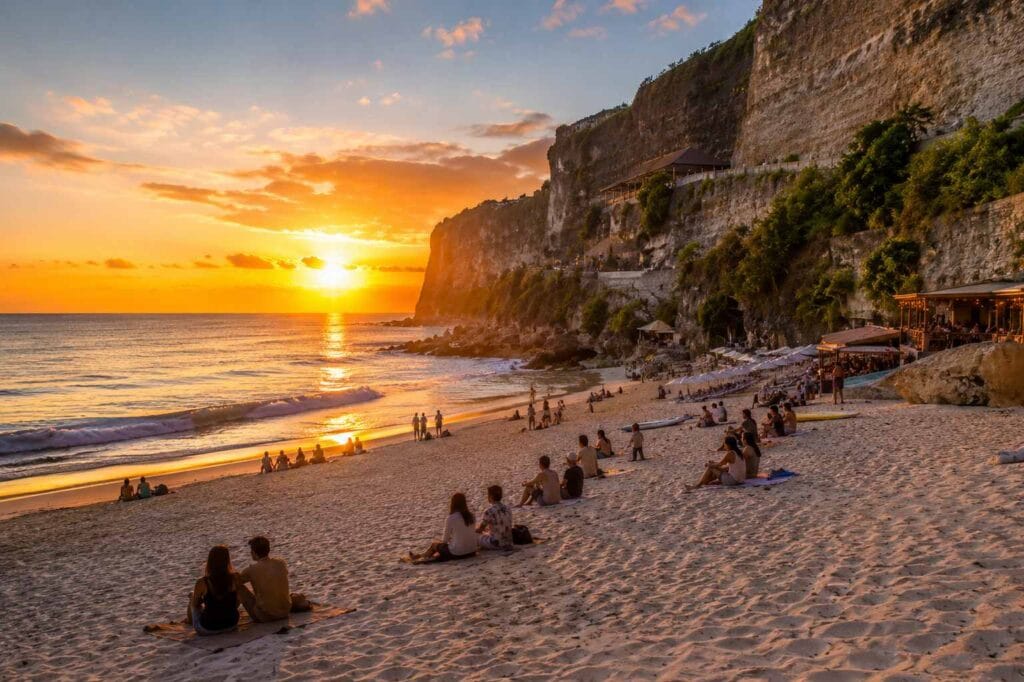
15 min drive
Known for its high limestone cliffs and clear waters, this beach is a short distance away and pairs well with a coastal excursion.
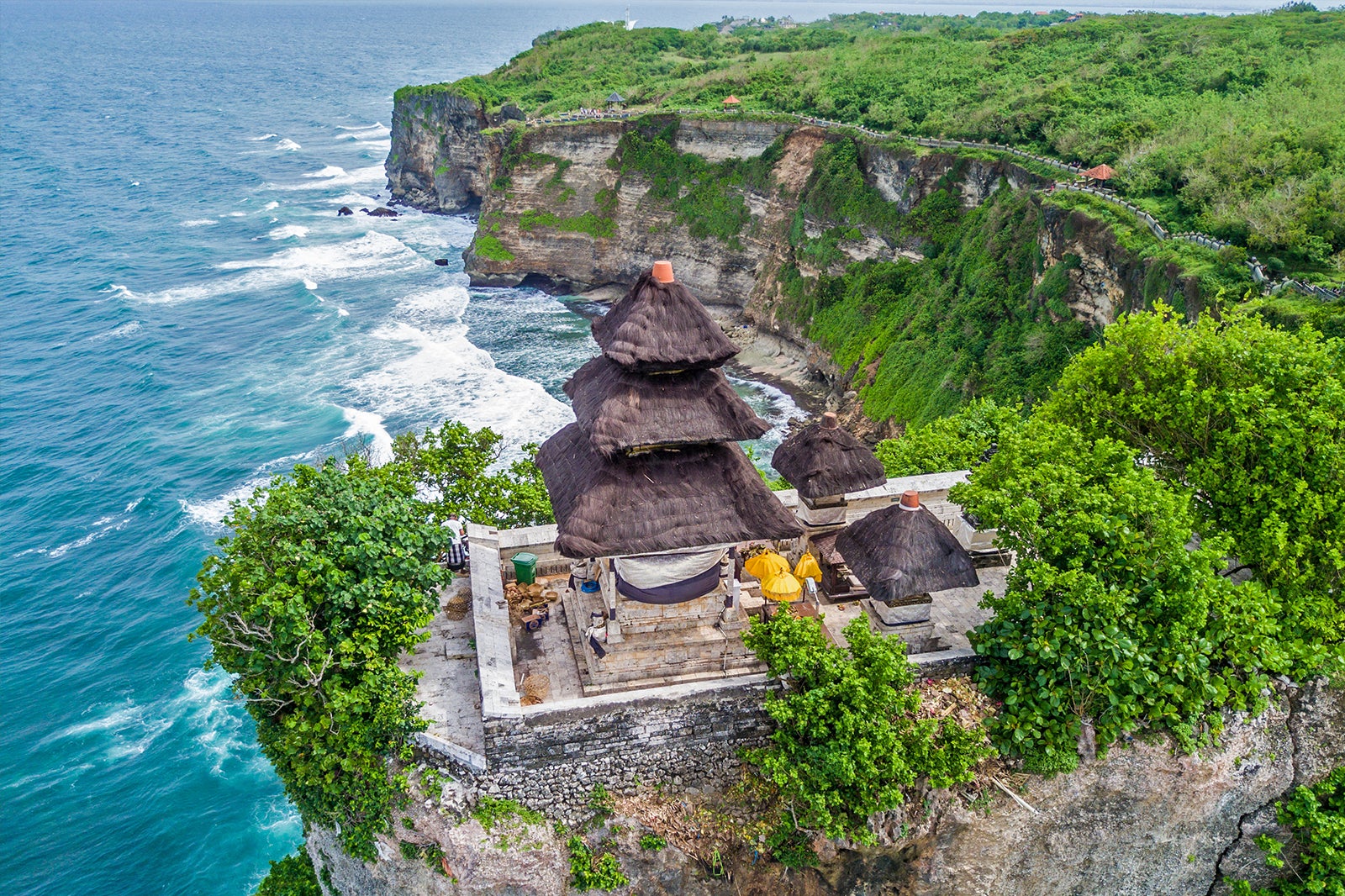
25 min drive
A prominent sea temple perched on a cliff edge, ideal for those looking to visit a cultural site once their flying activities conclude.
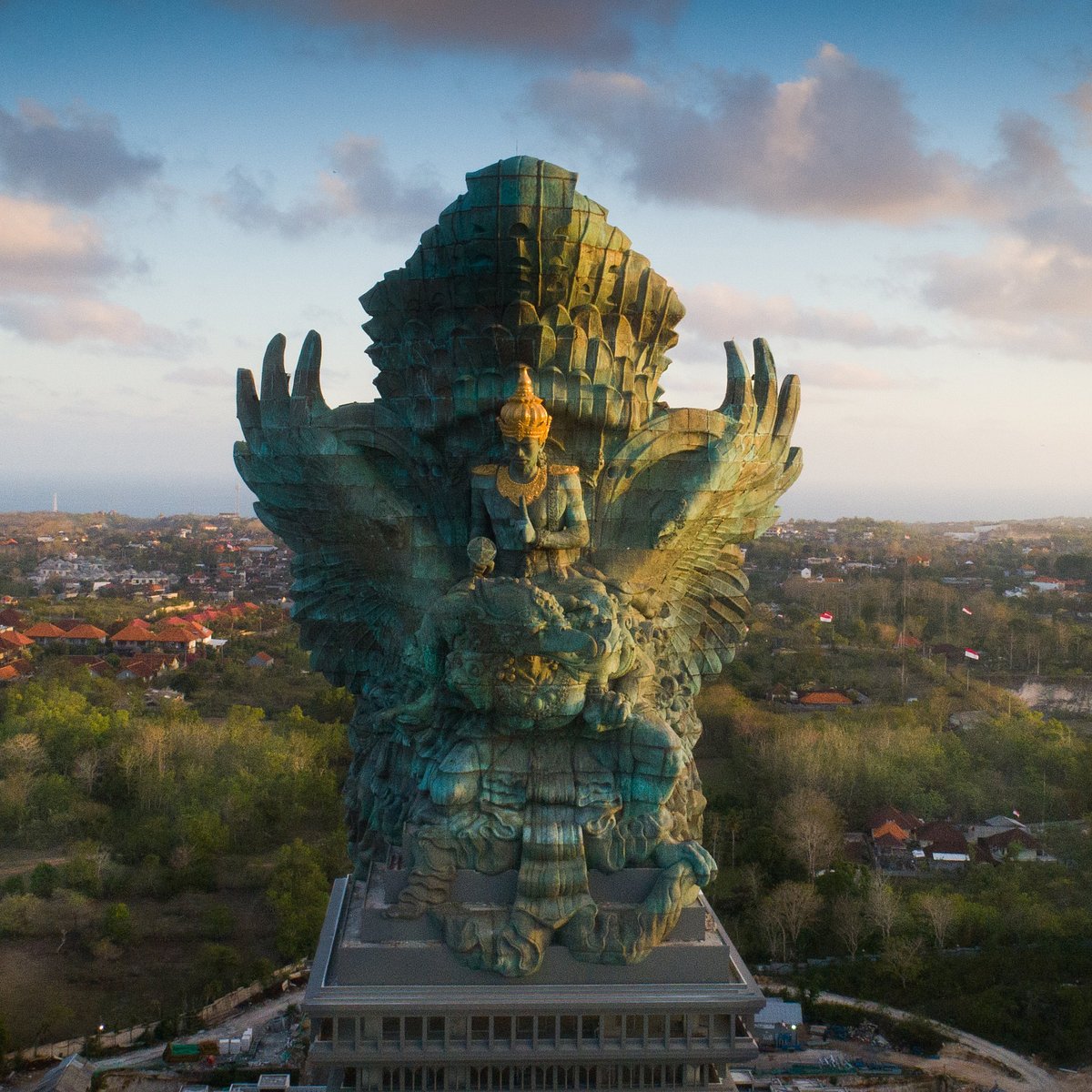
20 min drive
This expansive park features massive statues and cultural exhibits, offering a change of pace from the outdoor flying experience.
Everything you need to know about paragliding bali adventure
The best arrival window for your paragliding bali adventure is 13:00–17:00. During these hours, optimal wind conditions and thermal stability typically occur for safe flying.
A donation fee of 20,000 IDR per person is required at certain launch sites like Timbis. This entry fee supports the maintenance of the facilities used for this sport.
Yes, most pilots provide tandem flights that do not require prior experience to enjoy a paragliding bali adventure. You will be strapped to a certified instructor who manages the glider while you enjoy the views of the coastline.
For your paragliding bali adventure, ensure you wear secure footwear like sneakers and comfortable clothing. Bringing sunglasses, sunscreen, and a camera with a secure strap is also recommended for your time in the air.
The primary site for a paragliding bali adventure is at the Timbis Flying Site, located in Kutuh, South Kuta, Badung Regency. This location is well-known for providing consistent sea breezes and stable flight conditions.
Most operators set a weight limit to ensure the glider performs correctly and safely. While age requirements can vary, minors usually need parental consent to participate in this form of sky sports.
Yes, you can look into availability for your paragliding bali adventure through our booking widget, provided the weather conditions are suitable. We recommend checking the status early in the day as flights are highly dependent on wind direction and speed.
Paragliding in Uluwatu
Read more Tickets & toursParagliding in Nusa Dua
Read more GuideParagliding in Ubud
Read more GuideParagliding in Canggu
Read more GuideTimbis Paragliding Site Guide
Read more GuideParagliding in Seminyak
Read more GuideParagliding at Pandawa Beach
Read more Tickets & toursTandem Paragliding in Bali
Read more GuideParagliding Bali Prices
Read more